Irregular Periods in Perimenopause? What Functional Nutrition Reveals About Your Cycle

Your cycle once felt predictable. You could anticipate when your period would start, how long it would last, and how your body would feel throughout the month. But now, things feel different. Maybe your cycle shows up early one month, skips entirely the next, or drags on much longer than you expect. Sometimes the bleeding is light, other times it’s so heavy you’re exhausted by day two.
If this sounds familiar, you’re not imagining things. Irregular periods are one of the most common signs of perimenopause, the transition leading up to menopause. What most women don’t realize is that these changes are not only about declining estrogen or progesterone. The way your body handles stress, blood sugar, digestion, and nutrient absorption all shape how chaotic — or manageable — your cycles feel.
This is where functional nutrition offers a powerful lens. Rather than dismissing irregular cycles as “just hormones,” it helps us ask deeper questions: Why are symptoms more intense for some women than others? How is the gut influencing estrogen balance? Could blood sugar or cortisol be the hidden culprits behind unpredictable cycles?
Why Irregular Periods Happen in Perimenopause
In perimenopause, hormone changes don’t move in a straight downward line. They surge, crash, and fluctuate unpredictably. Estrogen may spike one week, leaving you bloated and moody, then plummet the next, causing hot flashes or night sweats. Progesterone, the hormone that steadies cycles and supports ovulation, often declines first. Without enough progesterone to balance estrogen, cycles become shorter, longer, or sometimes disappear altogether.
But the picture doesn’t end with estrogen and progesterone. Functional nutrition reveals that the intensity of cycle irregularity is influenced by other hidden factors. Blood sugar instability, often worsened by midlife insulin resistance, can heighten PMS symptoms and cycle unpredictability. Gut imbalances, especially within the estrobolome — the collection of bacteria that metabolizes estrogen — can cause estrogen to be reabsorbed into the bloodstream, prolonging or intensifying bleeding. Chronic stress keeps cortisol high, which steals from progesterone and delays or prevents ovulation. And when the gut isn’t absorbing nutrients properly, deficiencies in magnesium, B vitamins, and zinc make it even harder for your body to regulate hormonal rhythms.
The Gut–Hormone Connection
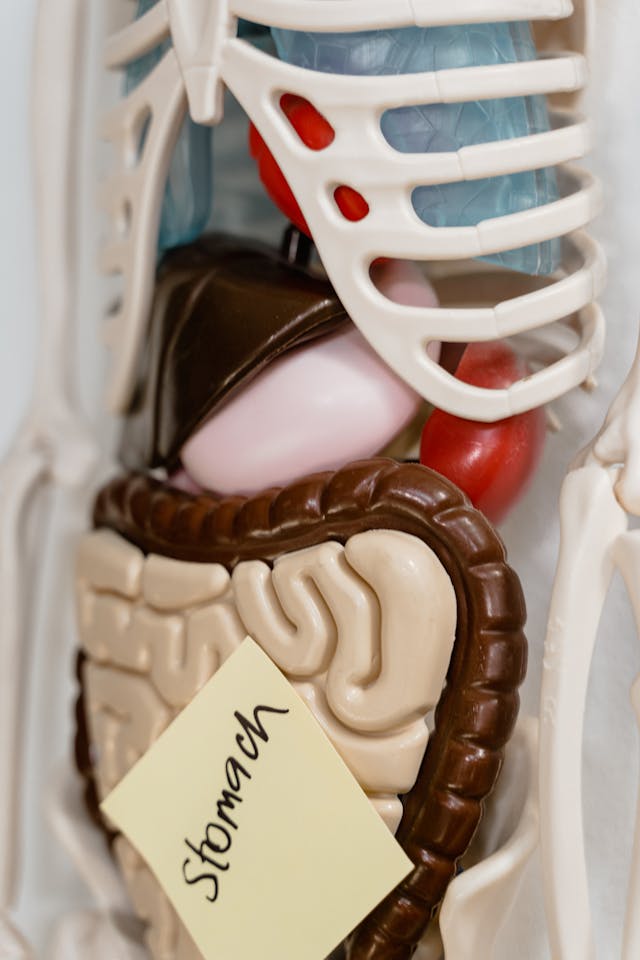
The gut may not be the first thing you think of when it comes to your menstrual cycle, but it’s a critical player in whether your periods are relatively smooth or wildly unpredictable. Estrogen, for example, doesn’t just disappear after your body uses it. It has to be processed through the liver and excreted through the gut. If your gut is sluggish, constipated, or populated by the wrong bacteria, estrogen lingers. That lingering estrogen tips the scales toward dominance, and the result is often heavier, more erratic cycles.
Blood sugar and cortisol balance also weave into this picture. Every time your blood sugar crashes — after a carb-heavy breakfast or a skipped meal — cortisol rises. Cortisol’s job is to help you manage stress, but in the process it disrupts progesterone, throwing your cycles further off rhythm. And if your gut isn’t absorbing nutrients effectively, your body may be short on the very building blocks it needs to keep hormones balanced and ovulation on track.
At this point, many women ask me, “How do I even know which of these imbalances is affecting me?” That’s exactly why I created the Gut–Hormone Quiz. It helps you uncover whether your irregular cycles are connected to insulin, cortisol, estrogen dominance, or sluggish digestion — and gives you a clear first step forward. When you complete it, you’ll also get my FREE 3-Day Reset, a simple plan designed to calm cravings, reduce bloating, and begin balancing hormones with food in just 72 hours.
Functional Nutrition Strategies for Cycle Balance
Supporting your cycles in perimenopause isn’t about perfection or restriction — it’s about sending the right messages to your body through food and lifestyle. Cruciferous vegetables like broccoli and kale help your liver clear estrogen more efficiently, giving your hormones a smoother exit strategy. Protein at every meal anchors blood sugar, reduces cravings, and keeps cortisol from spiking. Fiber-rich foods like flax, chia, and leafy greens bind excess estrogen and carry it out of the body, while fermented foods such as kefir or sauerkraut keep your estrobolome thriving.
Caffeine and alcohol are worth mentioning, too. Both can push hormones further off balance — caffeine by spiking cortisol, and alcohol by slowing estrogen detox. That doesn’t mean you have to give them up entirely, but learning how to swap or minimize them can make cycles less chaotic. Finally, nutrients like magnesium and omega-3 fats act like quiet supporters in the background — calming the nervous system, easing cramps, and reducing inflammation that fuels irregularity.
Case Example: From Chaos to Predictability
When “Maria” (name changed) came to me, her cycles were anything but predictable. One month her period lasted three days, the next it dragged on for ten. Sometimes it came after only 20 days, sometimes it didn’t show up for 45. She admitted she felt anxious making plans because she never knew what her body would do. On top of that, she was dealing with bloating, fatigue, and irritability that seemed to come and go with no pattern.
Together, we discovered some hidden issues. She often skipped breakfast, which left her cortisol high and her blood sugar swinging all day. Her diet lacked fiber, which meant

estrogen wasn’t being cleared efficiently. She also struggled with constipation, a sign her gut wasn’t moving things through as it should.
Instead of overwhelming her with restrictions, we focused on nourishment. She started each morning with a protein-packed smoothie that included flax for estrogen balance. She added cruciferous vegetables to her lunches and dinners. A small daily serving of fermented foods supported her gut, while magnesium-rich snacks like pumpkin seeds became her go-to instead of sugary treats.
Within two months, Maria noticed real changes. Her periods weren’t perfectly regular, but they fell into a more predictable range. The bloating eased, and for the first time in years, she said, “I don’t feel ruled by my cycle. I can plan ahead without fear.”
Taking the First Step
Irregular cycles in perimenopause are a message. They’re your body’s way of asking for support — not a signal to give up and “wait it out.” Functional nutrition allows you to work with your body by improving estrogen clearance, stabilizing blood sugar, reducing cortisol overload, and nourishing your gut.
If you’ve been wondering why your periods feel so unpredictable, start with the Gut–Hormone Quiz. In just a few minutes, you’ll discover whether you’re more Insulin-Inflamed, Cortisol-Wired, Estrogen-Stuck, or Slow Digestion. And when you take it, you’ll get my FREE 3-Day Reset — a practical starting point to calm cravings, reduce bloating, and begin bringing more balance to your cycle in just 72 hours.
And if fatigue has also been tagging along with your cycle changes, I recommend reading my companion post: [Perimenopause & Fatigue: Functional Nutrition Solutions]. Together, these two guides connect the dots between your energy, your cycles, and your hormones — giving you a clearer roadmap for navigating midlife with more confidence.
Your body is speaking. Functional nutrition gives you the tools to listen — and to respond in ways that bring relief, steadiness, and clarity.